
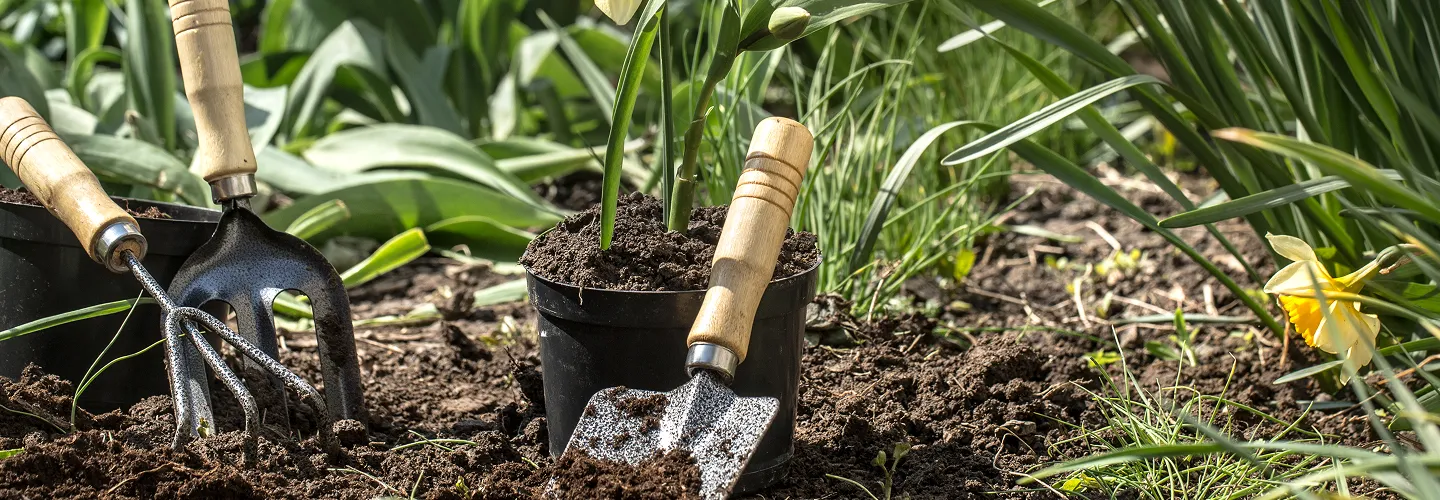
Dobson Ranch Lawn Mowing Services
Choose our lawn mowing service for reliable, professional results that keep your yard looking its best all season long—enjoy more free time and a healthier, greener lawn with our expert team.
Get a Free QuoteOur Dobson Ranch Landscaping & Yard Care Services
When to Schedule Lawn Mowing in Dobson Ranch, Arizona – Seasonal Guide
In Dobson Ranch, Arizona, the timing of your lawn mowing routine is crucial for maintaining a healthy, vibrant yard. The region’s unique climate—characterized by hot, dry summers and mild winters—means that grass growth patterns differ from other parts of the country. Typically, the optimal mowing season begins in early March, as temperatures rise and frost risk diminishes, and continues through late October. During the peak summer months, especially around the Dobson Ranch Golf Course and along Baseline Road, lawns may require more frequent mowing due to increased growth spurred by irrigation and monsoon rains.
Local environmental factors play a significant role in determining the best mowing schedule. For example, shaded areas near Laguna Park or homes with dense tree coverage may experience slower grass growth, while properties with sandy or clay-heavy soils will have different moisture retention needs. It’s also important to consider municipal guidelines and water restrictions, which can impact both mowing frequency and irrigation schedules. For more information on local regulations, visit the official municipal resource.
Local Factors to Consider for Lawn Mowing in Dobson Ranch
- Tree density and shade coverage (e.g., near Laguna Park or along Dobson Road)
- Soil type and drainage (sandy vs. clay-heavy soils)
- Seasonal precipitation and monsoon patterns
- Frost dates and temperature fluctuations
- Municipal restrictions on watering and mowing
- Terrain variations, such as sloped yards or uneven ground
Benefits of Lawn Mowing in Dobson Ranch
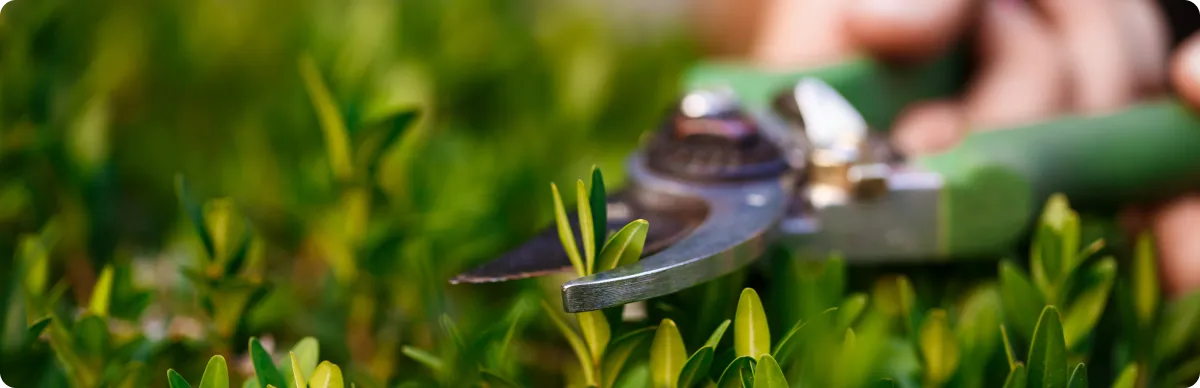
Consistent Curb Appeal
Healthier Grass Growth
Weed and Pest Reduction
Time and Effort Savings
Professional Equipment Use
Reliable Scheduling
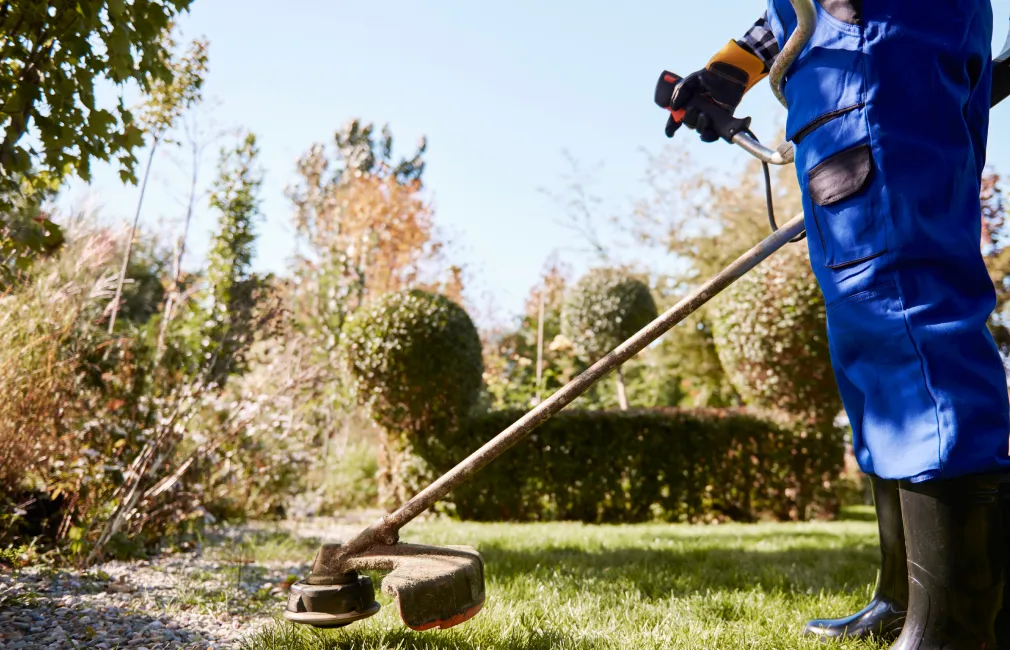
Dobson Ranch Lawn Mowing Types

Standard Lawn Mowing
-
Mulching Mower Service
-
Bagging and Clipping Removal
-
Edging and Trimming
-
Seasonal Mowing Adjustments
-
Eco-Friendly Electric Mowing
-
Custom Height Mowing
Our Lawn Mowing Process
Site Evaluation
Lawn Preparation
Mowing Execution
Edging and Trimming
Cleanup
Why Choose Dobson Ranch Landscape Services
-
Dobson Ranch Homeowners Trust Us
-
Expert Lawn Maintenance
-
Reliable Irrigation Solutions
-
Comprehensive Weed Control
-
Professional Tree and Shrub Care
-
Consistent Quality Service
-
Competitive Pricing
Coordinating Lawn Mowing Services with Mesa's Municipal Programs in Dobson Ranch
Dobson Ranch is a master-planned community located within the City of Mesa, and lawn mowing operations in this area fall under Mesa's municipal framework for landscape maintenance, green waste handling, and stormwater protection. Residents and property managers should be aware that grass clippings, edging debris, and organic matter must not be swept or blown into street gutters, curb inlets, or the community's network of retention basins and drainage channels. Mesa's environmental programs address stormwater quality under its Phase II MS4 obligations, and lawn care operators are expected to contain clippings on-site or bag them for proper disposal through the city's green waste collection process. Verify current collection schedules and container requirements directly with the city, as rules may vary by service area.
- Bag or mulch clippings to prevent material from entering storm drains or retention basins
- Coordinate green waste pickup through Mesa's residential collection program
- Avoid depositing mowing debris on sidewalks, curb lines, or shared drainage easements
- Review lot-specific drainage flow using the city's interactive mapping tools through Mesa GIS Maps
Mesa Environment & Sustainability
Official Website: Mesa Environment & Sustainability
How Dobson Ranch's Low-Desert Heat and Alkaline Soils Affect Lawn Mowing
Dobson Ranch sits in the Phoenix metro low desert within USDA Hardiness Zone 9b, where summer temperatures routinely exceed 110°F and annual rainfall averages under eight inches. These conditions directly shape how turf responds to mowing. The predominant soils in this part of Mesa tend toward alkaline sandy loam with subsurface caliche layers, which restrict root depth and limit the turf's ability to recover from aggressive cutting. Bermudagrass is the dominant warm-season turf throughout Dobson Ranch, often overseeded with perennial ryegrass during the cooler months. Reflected heat from block walls, concrete driveways, and patio surfaces intensifies stress on turf edges, making mowing height and timing critical variables. The University of Arizona Cooperative Extension provides region-specific guidance on turf species performance in low-elevation Arizona conditions.
- Alkaline soils (pH commonly above 7.5) reduce nutrient availability and slow turf recovery after mowing
- Caliche layers restrict root penetration, making turf more vulnerable to scalping
- Reflected heat from hardscape surfaces accelerates moisture loss along lawn perimeters
- Bermudagrass enters dormancy in winter, requiring adjusted mowing schedules during ryegrass overseeding transitions
Navigating Dobson Ranch's Stormwater and Property Maintenance Regulations for Mowing
Mesa enforces property maintenance standards that include keeping turf areas mowed and free of excessive growth. While routine lawn mowing does not require a permit, operators should understand the regulatory context surrounding stormwater discharge and debris management. Under the Clean Water Act and Arizona DEQ's stormwater program, grass clippings and landscape debris are classified as potential pollutants when they enter the municipal storm sewer system. Dobson Ranch's extensive network of lakes, retention basins, and drainage corridors makes this particularly relevant. Any chemical applications associated with mowing—such as spot herbicide treatments—must be performed by individuals holding appropriate credentials through the Arizona Department of Agriculture's licensing program.
- Mesa code compliance may issue notices for properties with excessively overgrown turf
- Clippings and organic debris must be kept out of washes, lakes, and retention basin inlets
- Herbicide or pesticide application during mowing visits requires proper Arizona applicator licensing
- Noise from mowing equipment should comply with Mesa's residential noise standards; verify current thresholds with the city
Mesa Engineering Department
Official Website: Mesa Engineering Department
Timing and Mowing Height Standards for Dobson Ranch's Bermudagrass and Ryegrass Turf
Proper mowing technique in Dobson Ranch requires attention to turf species, seasonal transitions, and irrigation coordination. According to the Turfgrass Maintenance Guide for Low Elevation Arizona, bermudagrass should generally be maintained at a height of approximately 1 to 1.5 inches for common varieties and slightly lower for hybrid cultivars, while overseeded perennial ryegrass performs well at roughly 1.5 to 2.5 inches during the cooler season. Mowing should be scheduled in the early morning or late evening during summer months to reduce heat stress on both the turf and the operator. Irrigation should be timed so that turf is not waterlogged at the time of mowing, which helps prevent rut formation and soil compaction on Dobson Ranch's shallow-rooted lawns.
- Mow bermudagrass during active summer growth on a regular cycle, typically every 5 to 7 days
- Reduce mowing frequency during winter dormancy unless ryegrass overseeding is present
- Never remove more than one-third of the grass blade height in a single mowing pass
- Sharpen mower blades regularly to prevent tearing, which increases moisture loss and disease susceptibility
- Coordinate mowing with irrigation schedules to avoid cutting wet turf; consult Arizona Department of Water Resources landscaping guidance for water-efficient practices
Mesa Parks & Recreation Facilities
Official Website: Mesa Parks & Recreation Facilities
What Neighborhoods Do We Serve Throughout Dobson Ranch, AZ?
- Dobson Ranch Lakeside — Properties adjacent to the community lakes require careful clipping containment to prevent organic debris from entering shoreline drainage and affecting water quality in the lake system.
- Dobson Ranch Estates — Larger lot sizes in this area often feature mature bermudagrass lawns with established shade trees, requiring mowing height adjustments to account for reduced sunlight penetration.
- The Lakes at Dobson Ranch — Homes near retention basins and waterway corridors demand particular attention to runoff prevention and debris management during mowing operations.
- Dobson Ranch Park Area — Properties bordering Dobson Ranch Park share proximity to public landscape standards and may be subject to HOA appearance guidelines that influence mowing frequency and turf height.
- Dobson Ranch North — Older sections of the community may have compacted soils and aging irrigation systems, both of which affect turf health and mowing response.